


Listen to the podcast version: 9 Powerful SEO Benefits That Most Businesses Completely Miss
Search engine Optimization (SEO) is more than just ranking #1 on Google—it’s a tool to unlock untapped opportunities for growth and visibility.
- Reach New Audiences: SEO helps you connect with customers you didn’t know existed.
- Boost Long-Term Growth: Build a sustainable online presence that continues to pay off.
- Gain a Competitive Edge: Outrank competitors and dominate your industry.
In this guide, we’ll dive into 9 often-missed SEO benefits that can transform your digital strategy. Whether you’re a business owner or a marketer, you’ll discover actionable insights to make the most of your SEO efforts and drive real results.
Let’s uncover the hidden power of SEO!
1. Long-Term Traffic Growth
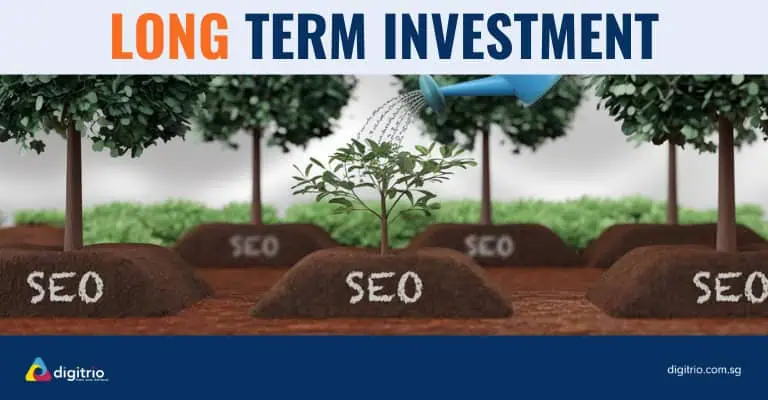
Most digital marketing channels are like leaky buckets. You pour money in, and leads trickle out. Stop pouring, and the traffic stops flowing.
But SEO is fundamentally different from SEM. While paid advertising offers quick results, search engine optimization builds lasting value.
Think of it like this: While paid advertising is like renting a house, SEO is like buying one. Sure, the upfront investment might be bigger, but every monthly "payment" builds your equity.
Here's what makes SEO important for business:
Lasting Content Value
Each piece of optimized content adds permanent value. That blog post you wrote last year? It’s still bringing in traffic today through Google. Research shows organic search is the leading source of trackable web traffic, accounting for 53% of all visits.
Compound Returns
Every improvement builds on the last. As your site’s domain authority grows, it becomes easier to rank for new keywords. It’s a true snowball effect – ranking for one topic boosts your credibility to rank for the next. One study found that once a site achieves strong authority, new pages can reach the top 10 results within a year only 5.7% of the time – but that number jumps much higher for established high-authority sites. (showing how prior SEO work gives a head start).
Equity, Not Rent
Because SEO gains are cumulative, your traffic doesn’t vanish if you cut budget for a month. Those high-value pages you built continue to attract visitors at zero cost per click. In contrast, small businesses often overspend on PPC (pay-per-click) ads – investing 7× more in PPC than SEO on average – yet that spend yields no lasting asset once the ads stop. With SEO, you’re building a permanent asset: every properly structured URL and optimized landing page becomes a lasting part of your digital portfolio.
In short: SEO delivers long-term traffic growth that keeps compounding. It may take patience to see big results, but the trade-off is enormous long-term ROI. (By one analysis, SEO offers an average 550% ROI by the end of year one – far surpassing the ~200% ROI typical of search ads.) If you’re willing to invest in white-hat SEO practices now, you’ll reap increasing traffic and leads for years without needing to “pay rent” for each click.
2. Establish Brand Authority & Trust

Here’s something most people don’t realize about SEO: when you consistently show up in search results for your industry’s most important topics, you’re not just getting clicks – you’re building an empire of trust. High Google rankings send a powerful signal to customers that you are the go-to expert. This happens through several mechanisms:
Psychological Impact
The more people see your brand in top search results, the more familiar and credible you seem (thanks to the mere exposure effect in psychology). In fact, users often trust organic search results more than paid ads, viewing a high organic ranking as a vote of confidence from Google. One classic study showed that search engine users overwhelmingly click on organic results over ads by a margin of 94% to 6% , indicating how much more trust and attention organic listings receive.
Topic Ownership
By understanding search intent and creating genuinely useful content that matches what people are looking for, you gradually “own” the topics in your field. For example, if someone searches a common question in your industry and repeatedly finds your website providing the best answer, they’ll start to recognize your brand as an authority. Over time, this can lead to your brand name becoming synonymous with expertise in that niche. (It’s no surprise that 49% of marketers say organic search brings them the most profitable customers – trust leads to higher-value conversions.)
Social Proof in Search
Ranking highly itself acts as social proof. People assume that if Google puts you on page 1, you must be legitimate. Combine that with proper on-page trust signals – like positive reviews, quality content, and even structured data (rich snippets) – and your search presence builds credibility that spills over into all channels. For instance, a user might find you via Google, trust you due to your informative content, and then be far more receptive to your brand on social media or via email marketing later on.
In short, showing up prominently in organic search instils authority and trust in your brand. It’s essentially free PR: you become the familiar face that keeps appearing with the answers people need. Over time, that trust translates into higher click-through rates, more loyal customers, and a stronger brand reputation that even new competitors will struggle to unsettle. (Just remember to earn those rankings through white-hat SEO – quality content, proper keyword targeting, and ethical link building – so that the trust you build is truly deserved.)
3. Gain Valuable Customer Insight
Want to know what keeps your customers up at night? Look at what they search for. One often-missed benefit of SEO is the wealth of customer insight hiding in plain sight: the search queries people type into Google. Every day, there are over 5.6 billion searches on Google, and amazingly, 15% of Google searches have never been seen before. Tapping into this search data can transform your marketing strategy:
Search Intent Mapping
By analyzing the keywords and phrases that drive organic traffic to your site, you can infer user intentions and needs. For example, informational queries (like “how to fix…”) signal that the searcher is looking for guidance, whereas commercial queries (“best product for…”) show strong buying signals. Understanding how search engines work to serve these different intents helps you tailor your content strategy. If you notice many queries like “Product A vs Product B” that’s a hint to create comparison content. If people often search “[Your Industry] cost” or “is [service] worth it?”, you’ve uncovered common objections or questions to address.
Real Voice of Customer
Keyword research is basically free market research. Tools like Google Search Console or SEO platforms show you exactly what words and questions people use when looking for your offerings. These phrases reveal pain points and desires in customers’ own words. For instance, if a lot of users find you by searching “[Problem] solution without [undesirable],” you learn what solutions they tried that didn’t work, and you can position your product accordingly. Many businesses pay for surveys or focus groups to learn this kind of insight – but SEO data gives it to you continuously, for free.
Content Strategy Informed by Data
When you build your content calendar around SEO insights, you’re effectively letting your customers lead the way. You might discover, for example, that “how-to” guides on a certain topic get tons of organic traffic, indicating high interest – so you create more content (or even new products/services) in that area. This is a smarter approach than guessing what your audience cares about. It’s no wonder that 60% of marketers say inbound strategies (like SEO and blogging) provide their highest quality leads, because those strategies are driven by what users are actively seeking. By mapping content to search intent and using internal linking to guide users along their journey, you not only rank higher but also satisfy your visitors better, since you’re delivering exactly what they asked for.
Pro tip: Don’t lose these insights during site changes. If you ever do a website overhaul, follow a website redesign SEO checklist to ensure you preserve your search data (analytics, search console info, URL redirects, etc.). This way, you keep the historical knowledge of what content works and what your customers search for. In summary, SEO turns Google into a direct line to your customers’ minds – use it to learn and adapt.
4. Cost-Saving Advantage of SEO Over Paid Advertising
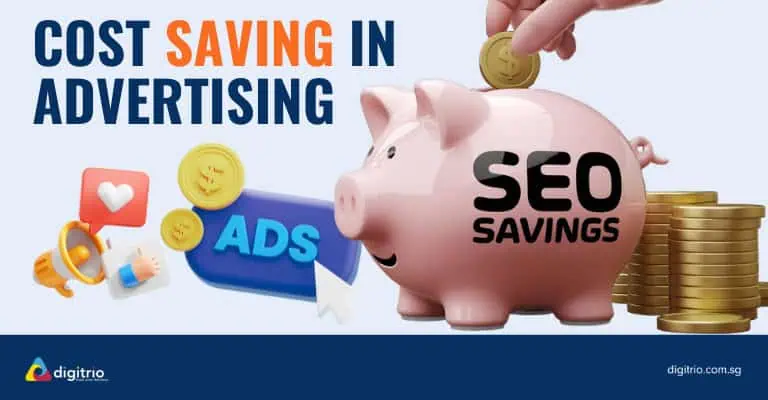
Here’s a truth bomb: while SEO might seem expensive upfront, it’s actually one of the most cost-effective marketing investments you can make. Unlike short-term tactics (and unlike any black hat SEO schemes that promise quick wins but lead to penalties), proper white hat optimization delivers sustainable results that dramatically lower your customer acquisition costs in the long run. Consider the following:
Unbeatable ROI
Recent data shows that high-quality SEO campaigns achieve an average ROI of 748% – meaning for every $1 invested, they return about $7.48 in revenue. That is far higher than what most paid channels deliver. In fact, the average ROI ratio for SEO is reported around 22:1, whereas paid search advertising typically sees about a 2:1 return (200% ROAS) Even if specific numbers vary by industry, the trend is clear: SEO’s long-term, compounding gains outshine the “pay for every click” model of PPC.
Lower Cost Per Acquisition
Because organic traffic is essentially free once you’re ranking, the cost to acquire each customer keeps dropping over time. A report by Seomator found that acquiring a customer via PPC can be twice as expensive as acquiring the same customer via SEO. Think about that: if you can get a lead through an organic search click instead of a paid ad, you’ve potentially halved your marketing cost for that lead. Plus, organic leads often have higher closing rates (SEO leads close at ~14.6% on average, vs. 1.7% for outbound leads), increasing your ROI per lead even more.
Sustainable Growth, Not Rent
The beauty of SEO is that it keeps working without constant payment. With PPC, the instant results are nice, but the moment your budget runs out or cost-per-click bids rise, your visibility vanishes. Indeed, small-to-medium businesses often pour money into PPC for immediate traffic – 7× more than they invest in SEO– but this overlooks SEO’s long-term value. By investing in proper on-page optimizations (like crafting solid meta tags and image alt text for SEO), technical SEO improvements (site speed, schema markup, etc.), and natural link-building strategies, you build an asset that generates traffic 24/7. Months or years down the line, you’re still getting clicks without paying a dime for each. This cumulative effect is why 59% of SEO campaigns achieve positive ROI within 12 months, and that ROI usually increases in subsequent years.
In summary, SEO is the ultimate cost-saver: it front-loads your effort and budget to create self-sustaining traffic streams. Over time, your dependence on paid ads (and their ever-rising costs) can decrease. Many businesses find that after ramping up SEO, they can trim their ad spend significantly and still grow – effectively reallocating budget from “renting traffic” to building better products or content. The key is to stick to proven, ethical SEO techniques and avoid “quick fix” shortcuts – then watch as your marketing dollars go further each year.
5. The Local-Global Growth Engine
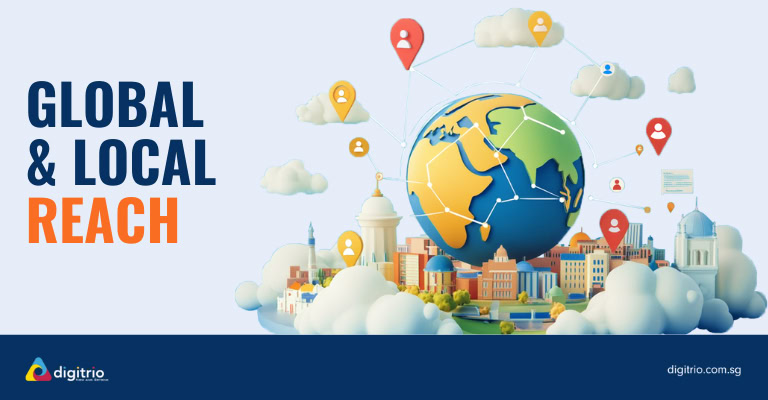
Most businesses think they have to choose: target local customers or go global. The truth is, with the right combination of on-page SEO and off-page SEO strategies, you can do both – and do them well. SEO is like a two-way engine that can drive hyper-local visibility and international reach at the same time, unlocking growth on both fronts:
Local SEO Domination
46% of Google searches seek local information, and 4 in 5 consumers use search engines to find local businesses. With SEO, you can ensure you are the business they find. Some tactics include creating a Google Business Profile and optimizing it (for the local map pack), doing local keyword targeting (“dentist in Singapore”, “near me” phrases, etc.), building out location-specific landing pages with your address and area-served content, and earning local backlinks (e.g. from local directories or community sites). Also, technical steps like XML sitemap optimization help search engines index all your pages (including local ones) efficiently. The payoff: when someone nearby searches for your service, you rank at the top organically. Given that 76% of consumers who search “near me” on their phone visit a business within a day, those local SEO efforts translate directly into foot traffic and sales.
Global Reach Strategy
At the same time, SEO lets you expand globally by optimizing for international audiences. If you have a product or content that could serve users in different countries or languages, international SEO will drive global growth. This involves international keyword research (finding what terms people use in different languages for your product), implementing multi-language and multi-region optimizations (like hreflang tags, translated content, or separate country domains if appropriate), and global content adaptation – making sure your content is culturally and linguistically tailored to each target market. Back this up with international link building (getting backlinks from sites in your target countries) and you’ll start to rank in foreign Google results too. Remember, only 49.4% of internet users are English speakers, and 50% of all Google queries are in languages other than English. That means a huge chunk of the world is searching in other languages – a vast opportunity if you optimize for it.
The bottom line: SEO can be your local and global growth engine simultaneously. You don’t have to pick one. By following on-page best practices (like having clear location info, fast-loading pages, and well-structured content) and off-page strategies (earning relevant links and citations locally and internationally), you position your business to capture nearby leads and overseas markets. Few other marketing strategies offer such flexibility. One moment, you’re the neighborhood favorite; the next, you’re attracting customers from across the world – all thanks to the scalable nature of SEO.
6. High-Quality Traffic That Actually Converts
Not all website traffic is created equal. The beauty of SEO is that it brings you high-intent visitors – people who are actively searching for exactly what you offer, often at the moment they need it. This tends to result in traffic that converts far better than many other sources. Here’s what sets SEO-driven traffic apart:
Search Intent Alignment
When someone arrives at your site from an organic Google search, they’ve essentially self-qualified themselves as interested. They typed in a specific query, saw your page title/description, and clicked because they believed you might have what they need. Compare that to, say, an interruptive social media ad, where the person wasn’t even looking for your product. It’s no surprise that organic search visitors are usually further along in the buying journey (often in research or ready-to-buy mode). For example, a user searching “best project management software for small teams” is likely actively considering a purchase – a hot lead. In fact, industry data shows that organic search has an impressive 14.6% average conversion rate, indicating the high intent of these visitors. By contrast, users from general paid campaigns or banner ads convert at lower rates (PPC averages around 10% conversion in many cases, and outbound tactics like cold email convert under 2%).
Higher Engagement & Trust
SEO traffic often yields better engagement metrics – longer time on site, more pages per session, and lower bounce rates – because the content matches what the user was looking for. They find value, so they stick around. There’s also a trust factor: as discussed, people trust organic results, so when they click through, they’re more predisposed to trust your brand. SEO leads also tend to close at a higher rate – around 8× higher than outbound leads– because by the time they fill a form or call you, they’ve done their homework and trust your credibility. All of this means a higher percentage of SEO traffic turns into actual customers or loyal followers.
Better Conversion Impact of Top Rankings
There’s a virtuous cycle at play – as you rank higher and attract more targeted traffic, you get more conversions, which can further improve your SEO (through positive user signals and even word-of-mouth). It’s worth noting that the top organic positions get the lion’s share of clicks – the #1 result’s average click-through rate is around 37%, versus 15% for #2. So achieving those top ranks for relevant keywords can exponentially increase not just traffic, but qualified traffic. These are visitors who have a specific problem you solve, making them much more likely to convert. One statistic even found purchasing decisions are influenced by a relevant search for 39% of buyers, showing how critical it is to be present when people search.
Bottom line: SEO doesn’t just drive more traffic – it drives better traffic. By using the right SEO tools and strategies, you ensure you’re attracting visitors who want what you offer. These visitors click more, trust more, and ultimately buy more. It’s the difference between pulling in an audience that says “I need this, let’s see if this site delivers” versus an audience that says “Why is this ad in my feed?”. If you’re looking for traffic that actually moves the needle (not just vanity metrics of visits), SEO is the way to go.
7. Content Strategy That Works Harder with SEO
Here’s a mistake many businesses make: creating content in a vacuum and only later thinking about SEO. In reality, SEO and content strategy should work hand-in-hand from the start. When you build your content with SEO insights baked in, every blog post or article works twice as hard – it attracts search traffic and engages and converts readers. A few ways a smarter, SEO-driven content strategy pays off:
Data-Driven Content Planning
Instead of guessing what topics to write about, you let real search data guide you. This means performing search intent analysis and competitor gap analysis upfront. For example, you might research keywords and find that a particular question hasn’t been answered well by competitors – a golden opportunity to create content that fills the gap and ranks. By understanding different content marketing types (how-to guides, case studies, listicles, videos, etc.) and seeing which formats rank well for your target queries, you can choose the format most likely to succeed. The result? Content that not only ranks but also resonates with your audience, because it’s built around what they’re actively searching for.
Built-In SEO Value
When you start with SEO in mind, you naturally incorporate elements that boost visibility. This includes crafting compelling, keyword-rich titles and headings (without clickbaiting), using semantically related terms in the copy for depth, and structuring the article in a way that Google can easily crawl (clean subheadings, bullet points for featured snippets, etc.). Companies that embrace this approach see major benefits: businesses that blog regularly (with SEO-focused content) get 55%more traffic and 67% more leads than those that don’t. And it’s not just about quantity – the quality of those leads is high because the content was tailored to their queries.
Content Longevity and Repurposing
SEO-focused content tends to be evergreen and high-quality, which means it remains useful (and high-ranking) for a long time. An authoritative guide you write today could still be drawing visitors 2 or 3 years from now, accumulating thousands of views and backlinks over its lifespan. In essence, SEO makes your content marketing work smarter, not harder. You’re ensuring every piece of content serves multiple purposes – educating readers, building trust, and capturing search visibility. It’s no wonder 55% of marketers say creating more content is one of the most effective tactics for improving SEO rankings– as long as that content is guided by SEO best practices.
To implement this, start with solid copywriting fundamentals – know your audience’s pain points and speak their language – then layer in SEO research. Use tools to find what phrases people use and what questions they ask. Then create truly valuable content around those, rather than just packing keywords. Google’s algorithms (especially the Helpful Content and E-E-A-T guidelines) reward depth and authenticity. A well-executed SEO content strategy means you’re not just publishing content and hoping it sticks; you’re publishing exactly what people are looking for, in a format optimized to rank and convert. That content will outperform and outlast the haphazard, non-optimized content by miles.
8. The Ultimate Marketing Multiplier Effect
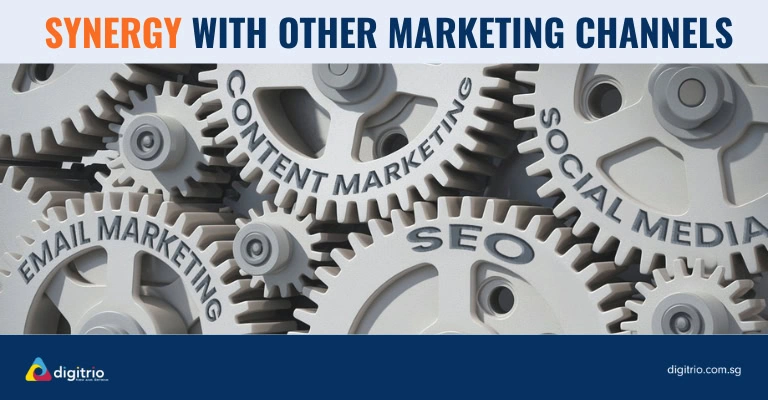
SEO isn’t just one marketing channel among many – it’s the rising tide that lifts all boats in your digital strategy. When done right, SEO makes every other aspect of your marketing more effective, creating a multiplier effect that most businesses completely miss. Here’s how strong search optimization enhances other channels:
Amplifying Your Reach
SEO is a powerful top-of-funnel driver. By bringing in significantly more traffic (especially compared to channels like organic social media – SEO drives over 1,000% more traffic than organic social), it feeds your entire marketing ecosystem. All those additional visitors from search can be retargeted through your paid ads, added to your email list via lead magnets, and nurtured on social media. Essentially, SEO fills the pipeline with potential customers that your other marketing efforts can then convert or upsell. Without SEO, you might be stuck targeting the same small audience with ads or emails. With SEO, you continuously bring in fresh blood for other campaigns.
Improving Social & PR Performance
A strong SEO presence often correlates with strong content (since creating quality content is core to SEO). That content can be shared on social media, giving you better engagement there. Additionally, as your site climbs search rankings and is seen as an authority, journalists and bloggers are more likely to cite or interview you – boosting your PR efforts. Think of how often you see top search results being quoted in articles or referenced in discussions; being that top result gives you credibility beyond search. And if someone discovers you via Google and recognizes your brand later in their inbox or social feed, they’re more likely to engage thanks to that initial touchpoint.
Better User Experience = Better Everything
A cornerstone of modern SEO is optimizing user experience (UX) – Google rewards sites that load fast, are mobile-friendly, and easy to navigate. By chasing higher rankings, you inevitably make your website better for users across the board. This has ripple effects: your conversion rates improve (independently of SEO) because users face fewer friction points. In short, SEO’s emphasis on technical excellence and quality content means you’re unknowingly enhancing every digital touchpoint.
Consider SEO as the central cog in your marketing machine. When you partner with a good SEO company or invest internally in SEO, you’re not just boosting Google rankings – you’re laying a foundation that makes all marketing more efficient. In sum, SEO is a force multiplier: it takes each marketing effort and gives it an extra push, aligning all channels towards what your audience is searching for.
9. Enhanced User Experience That Drives Results
One of the most underappreciated facts about SEO is that it’s not just about pleasing search engines – it’s about creating an exceptional user experience that converts visitors into customers. Google’s algorithms have evolved to reward sites that offer great UX, which means implementing proper technical SEO is essentially building a better website for your users. Here’s how SEO enhancements directly translate to business results:
Site Structure & Navigation
SEO encourages a clean, logical site architecture. You’ll organize content into silos or categories that make sense, use descriptive URLs, and ensure every important page is reachable via internal linking. This isn’t just for Google’s crawlers – it helps users effortlessly find what they need. A well-structured site with strategic internal links guides visitors to related content or products, increasing the chance they’ll engage further or make a purchase.
Technical Performance
Many technical SEO improvements are directly tied to user satisfaction. Page loading speed is a prime example. Google uses Core Web Vitals as a ranking factor – essentially measuring how fast and stable your pages are. By improving these, you’re making your site faster for users, and the benefits are huge: fast-loading pages lead to lower abandonment and higher conversion. Studies show that fast sites (load ~1s) are up to 3–5× more likely to convert visitors than sites that take 5+ seconds.
Content Optimization & Accessibility
SEO pushes you to create clear, relevant content that meets user needs. That means writing helpful, easy-to-read copy, using headings and bullet points (like we are in this article!) for clarity, and optimizing images with proper alt text. These practices make your content more accessible to all users, including those using screen readers, and help visitors quickly grasp key points. All these improvements build a sense of trustworthiness – the site feels professional, loads fast, and speaks to their needs clearly.
Think about it this way: when your website is properly optimized for SEO, it becomes a delight for users. It’s easier to navigate (they find things without friction), faster to load (no frustration or waiting), more accessible on all devices (consistent experience whether on a big monitor or a smartphone), and clearer in its messaging. This naturally leads to higher conversion rates and customer satisfaction.
Now It's Your Turn to Transform Your Digital Presence
You've just discovered 9 powerful SEO benefits that most businesses completely miss. The question is: Are you ready to start taking advantage of them?
You have two options:
Take what you've learned and start implementing it yourself using our best free SEO tools.
Partner with Digitrio for professional SEO services that deliver real results. No lock-in contracts. No black-box strategies. Just proven expertise that transforms your digital presence.
The choice is yours.
But remember: Every day you wait is another day your competitors might be getting ahead in search results.
Ready to unlock these benefits for your business? Contact us today to learn how we can help transform your digital presence.


